Tōhoku's image hasn't had an
easy time. Distant, cold and mountainous, the last region of Honshu
to fall under Japanese consolidation, and once the home of the
mysterious Emishi: aboriginal tribes who resisted the ancient
Japanese tenaciously, and who may or may not have had something to do
with the Ainu; but they faded from the record so long ago that
nobody's really sure who they were now.
Thereafter, Tōhoku developed as
a back-of-beyond agrarian region, too rough and remote to thoroughly
settle, but nonetheless generating a great deal of rice to feed the nation. The dialects can range from
tricky to utterly incomprehensible, though a fair number of its
people pulled off the establishing of rather formidable power bases,
castle towns and regional identities.
First among these centres stands
Sendai, my final port of call on this voyage and base for exploring
the east coast prefecture of Miyagi. Both, along with wider Tōhoku,
are presently most associated with March 2011's triple calamity –
especially to foreigners, for whom it may be the beginning and end of
their knowledge of the region at all.

And yet, I found there a society
keenly aware of itself and the destiny it's had to forge in the
shadow of the southern political heavyweights, or of the wilder
exciting frontiers to the north. And Tōhoku's nature, while not
unbound and vast like Hokkaido's, offers a beauty of its own: one of
concentrated secrets and stalwart local traditions, hidden away
amidst the forested hot springs and mountain passes of Japan's upper
spine.

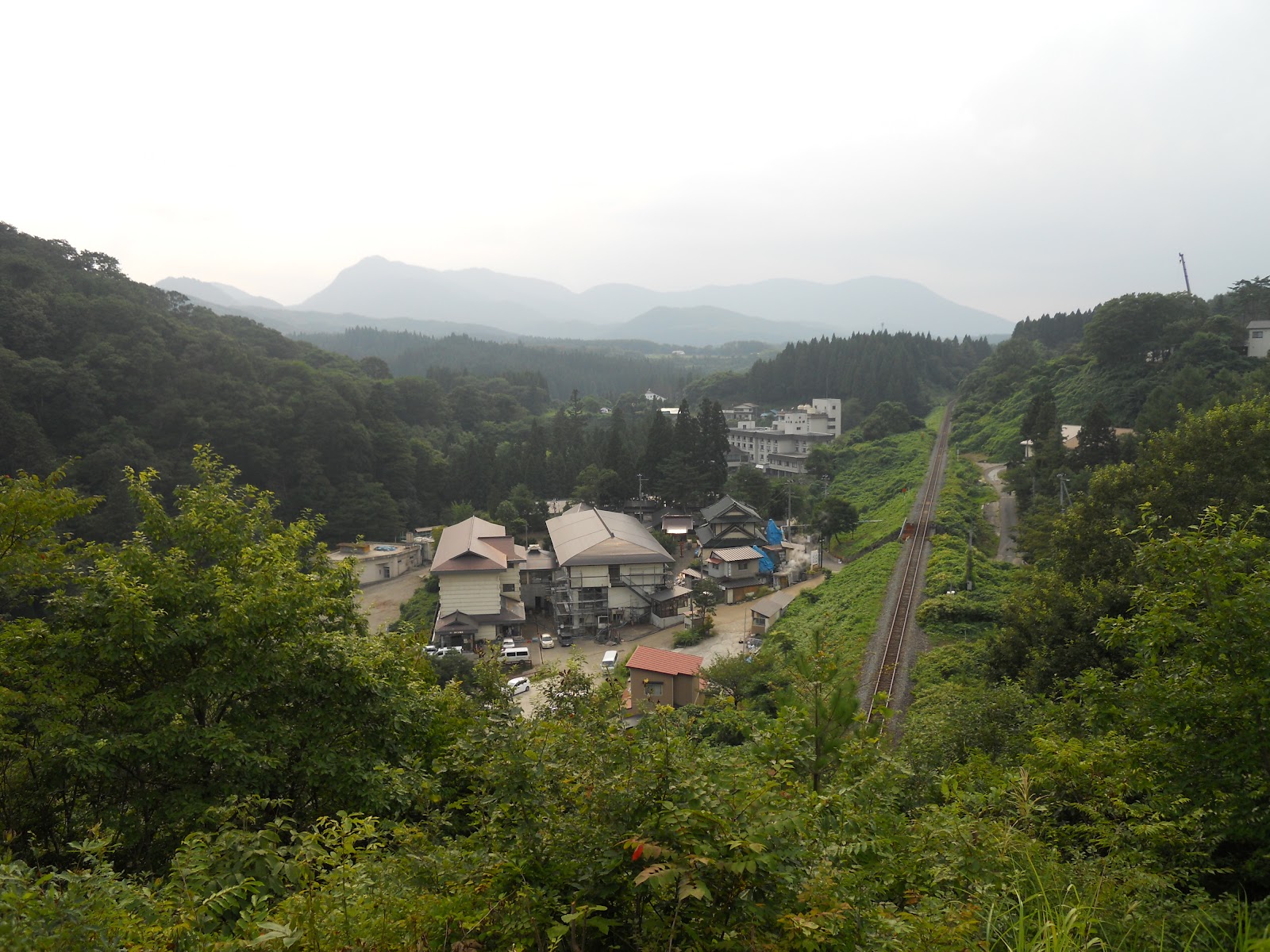
As with the Namahage of Oga, it was a video game that brought me to Naruko. Nestled
in the high ravines towards the border with Yamagata, this spa town
and its neighbouring villages sit amidst natural hot springs which
fill the air with a sulphurous fragrance. It is one of about a dozen
onsen regions associated with a very peculiar Tōhoku tradition.