
It is the end of winter, 1854,
and you gaze across the glistening waters of Hakodate harbour. As far
as you're concerned, this is the greatest and safest port in the
world. But the light of the sun and cool, crisp winds of the sea do
little to comfort you.
You are on edge, and so is
everyone else still here. The authorities have herded the townsfolk
far away, along with their horses, their ships – is it because
those who are coming are frightening? Or is it that what they are
bringing, and you sense this too, might just herald the cataclysmic
collapse of your world, the only world your civilization has known
for centuries?

What goes through your mind, your
heart, as the Black Ships (kurofune, 黒舟)
loom into the bay? They intrude with the certainty of drifting death.
You know who is on them. And when the shogunate brought humiliation
on the imperial throne by giving in to the foreigners' demands to
open up, it is here – in Hakodate – that this capitulation
actually means something. That's why the Black Ships are here:
surveying the port they've coerced open to service the desires of
foreigners and their ships on whatever terms they wish; the port
which within five years, after centuries of seclusion, is to be
forcibly plugged into the wild and whimsical network of international
trade.
Within a few short years they'll
come and go as they please, bringing all their crazy ideas and
technologies with them, for good or for ill. And after a few years
more, the Japan of the Tokugawa shoguns will collapse on itself: and
right here, in Hakodate, is where its violent death throes will at
last subside, and its final pillar will crumble.
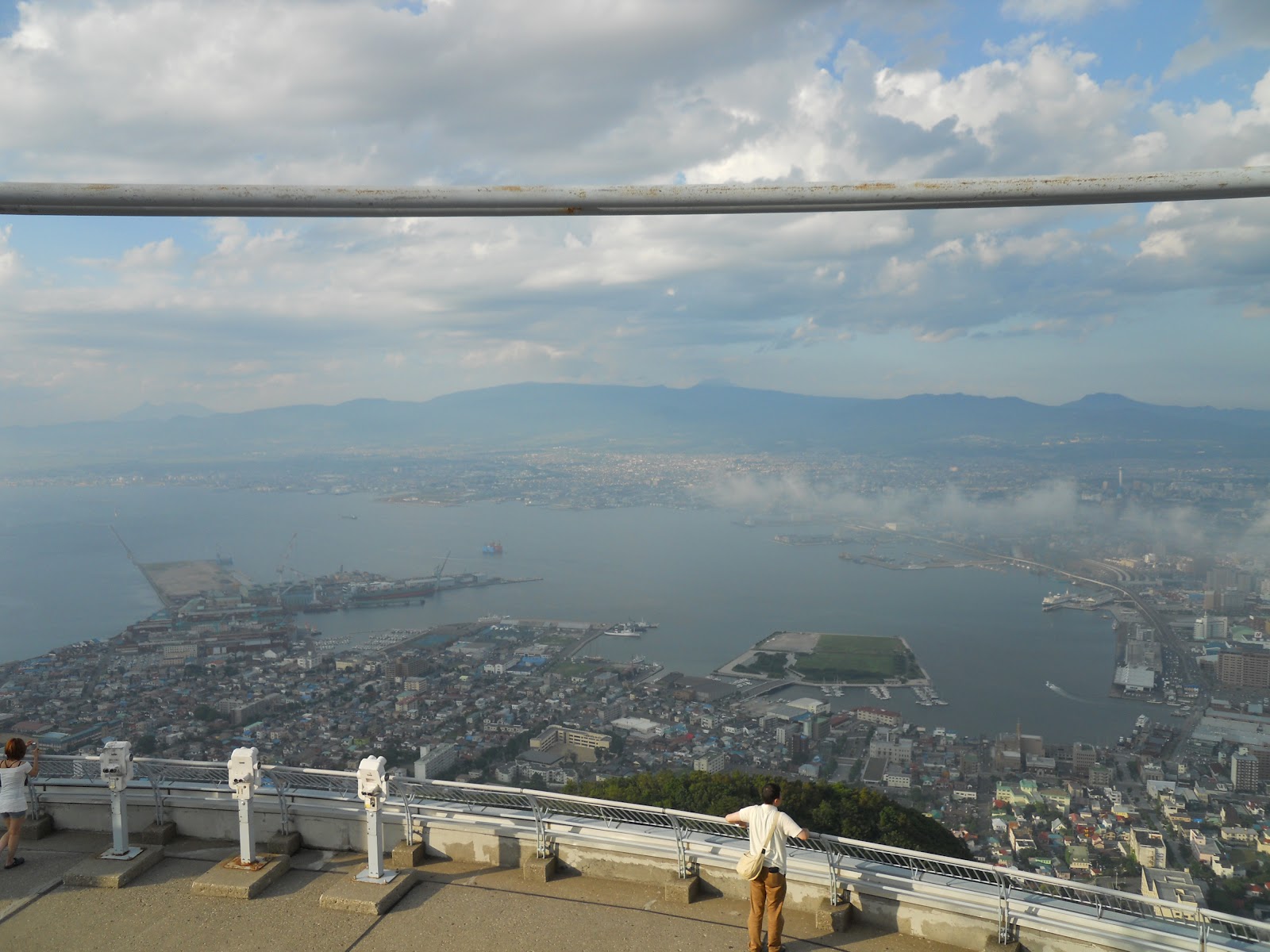
Hakodate is in many ways the
ultimate gateway, a bridge between eras and worlds. With typical
origins – settlers who put their structures down and chased out the
Ainu – Hakodate surged as the Matsumae clan's seat of power and
perch on the edge of Hokkaido, and grew into the springboard from which Japan would launch itself at the
untamed north. The shogunate, and dramatically more so the imperial
regimes that followed, would widen and strengthen this bridge, so as
to cross into Hokkaido and make it their own; and so too grow
stronger on what came from far across the sea – for once forced
open to trade, it was also a bridge to the world.
A bridge in time, too. On one
side, Japan the island fortress, the “locked country” (sakoku,
鎖国)
shut off from the outside world, which no Japanese could leave or
foreigner enter on pain of death. On the other, Japan the global
character: the creative, confused, sometimes brilliant and sometimes
bloody phenomenon it's been since its integration into the world's
diversity, a journey that continues to this day. Here was the threshold of this transformation.
This, all this, is Hakodate.
Wherever you tread, wherever you look and listen, history is in your
face and all around you. In Hakodate, more so than anywhere I've
been, history is the present.


.jpg)


